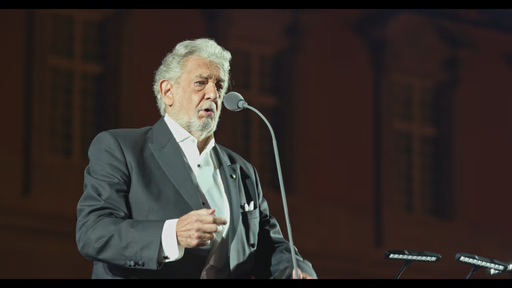
Remote production (REMI): broadcasting a live event without moving the crew
Distributed live production lets us cover an event anywhere — one seamless show, a fraction of the on-site footprint. Here is how it works, and when it is the right call.
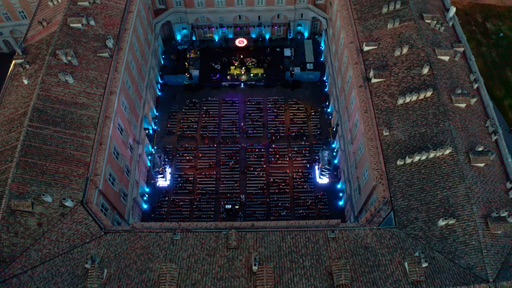
- REMI keeps the on-site crew lean and moves vision mixing, graphics and distribution to a central hub.
- The audience sees one seamless broadcast — the distance is invisible.
- Lower cost and footprint make premium live direction viable for far more events.
- The network is the production: bandwidth, redundancy and failover come first.
Live events used to mean moving everything to one place: the crew, the gear, the gallery. Remote production — often called REMI, the "remote integration model" — flips that logic. The cameras and the people on the ground stay lean, while the heavy lifting of vision mixing, graphics and distribution happens somewhere else entirely.
What remote production actually means
In a REMI setup, the signals from on-site cameras and microphones travel over the network to a central production hub. There, a director switches the show, audio is mixed, graphics are added and the program is streamed out — exactly as if everyone were in the same truck, except they are not.
The audience never sees the distance. What they get is a single, coherent broadcast; what the production gains is flexibility, lower cost and a far smaller on-site footprint.
The goal is simple: the viewer should never be able to tell where the gallery was.
Why distributed production changes the economics
Moving a full outside-broadcast crew to every location is expensive and slow. With remote production, a small team handles capture on-site while senior creative and technical roles work from a fixed, fully equipped hub — often covering several events in a single week without travelling.
That means premium direction on productions that could never have justified a full truck, and the ability to scale coverage up or down without rebuilding the whole pipeline every time.
How we set it up
Every remote production starts with the network. We plan bandwidth and redundancy first — bonded connections, backup encoders and a clear failover path — because in live, the connection is the production. From there it is the same disciplined multicamera workflow: synced sources, ISO recording on every feed, and a director calling the show in real time.
When REMI is the right call
Remote production shines for conferences, festivals with multiple stages, recurring shows and any event where the audience is partly or entirely remote. It is not about replacing the on-site crew — it is about putting the right people in the right place, and letting the network carry the rest.
Done well, nobody talks about the technology at all. They talk about the show. That is exactly the point.